Are PFAS Microplastics? Difference Between PFAS vs Microplastics
Understanding whether PFAS chemicals are microplastics begins by recognizing their distinct characteristics. PFAS, or per- and polyfluoroalkyl substances, are synthetic chemicals widely used for their water- and oil-repellent properties. You’ll find PFAS in many everyday products like non-stick cookware, stain-resistant fabrics, and firefighting foams. They differ fundamentally from microplastics in their chemical makeup and behavior.

What Are PFAS and How Do They Differ From Microplastics?
PFAS are composed of carbon-fluorine bonds, some of the strongest bonds in chemistry. This structure makes PFAS highly resistant to degradation, leading to their nickname as “forever chemicals.” Because they persist in the environment and human bodies, they accumulate over time, posing serious health risks.
In contrast, microplastics are small solid plastic particles formed from the breakdown of larger plastic waste or manufactured microbeads. They consist mainly of hydrocarbons and vary in shape and size, usually less than 5 millimeters. These physical particles behave very differently in the environment compared to PFAS chemicals.
Physical Properties of Microplastics
Microplastics are tangible fragments you can often see under magnification. They pollute water bodies and soils, physically affecting wildlife and entering the food chain. Their surface can also attract and carry toxic pollutants, worsening their impact.
Whereas PFAS dissolve and chemically interact with organisms, microplastics cause physical and chemical harm by accumulation. This distinction is vital for understanding how each pollutant affects your health and environment.
Key Distinctions and Why They Matter
The difference between PFAS and microplastics lies in their chemistry, form, and environmental behavior. While both are persistent pollutants, PFAS are chemical toxins, and microplastics are physical particles. Knowing this difference is essential for accurate health risk assessment and environmental protection.
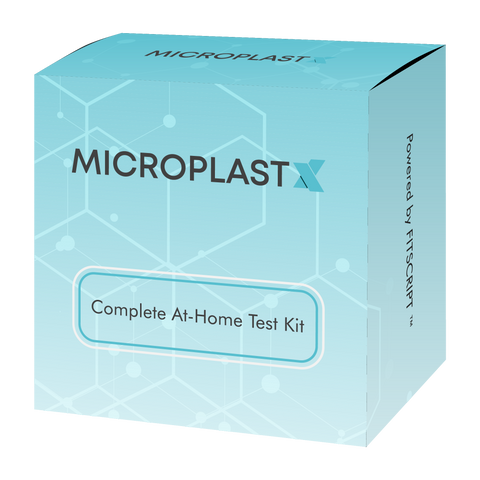
If you’re concerned about microplastics exposure, MicroplastX offers a microplastics blood test kit that measures your body burden of microplastics. While PFAS are a different challenge, understanding both pollutants empowers better health decisions.
Environmental and Health Risks of PFAS
PFAS chemicals are notorious for their persistence and ability to bioaccumulate, making them a growing global concern. These “forever chemicals” contaminate soil, water, and air, causing long-lasting environmental damage.
Persistence and Bioaccumulation of PFAS
PFAS do not break down easily, leading to their accumulation in the environment and organisms. This bioaccumulation magnifies their presence as they move up the food chain, posing risks to humans and wildlife alike. PFAS have been detected worldwide in blood samples, underscoring widespread exposure.
Microplastics, while persistent, accumulate differently. They physically build up in ecosystems, especially marine environments, where they harm animals and enter human food supplies through seafood consumption. The microplastics blood test kit from MicroplastX provides individuals insight into how much microplastics they carry internally.
Associated Health Effects of PFAS
Exposure to PFAS has been linked to several serious health problems:
-
Hormone disruption that affects growth and metabolism
-
Immune system suppression, making infections harder to fight
-
Increased risk of cancers, including kidney and testicular cancer
-
Developmental issues in infants and children
These differ somewhat from the health concerns posed by microplastics, though both pollutants interfere with normal biological functions. Microplastics exposure, which you can track with tools like the MicroplastX test, also poses risks that scientists are actively studying.
Regulatory and Public Health Responses
Due to their dangers, PFAS chemicals are increasingly regulated. Governments worldwide have started limiting PFAS levels in drinking water and consumer products. Microplastics are also coming under scrutiny, particularly concerning their release from personal care products and wastewater.
At MicroplastX, we stay updated on these evolving regulations and provide solutions focused on microplastics exposure. Our microplastics blood test kit helps you measure your personal exposure and take informed actions.
Understanding the difference between PFAS and microplastics is key to protecting yourself. By combining awareness of these pollutants with personalized testing through MicroplastX, you empower your health decisions and support environmental well-being.

How Microplastics Differ in Behavior and Impact
Understanding the difference between PFAS and microplastics requires a closer look at how microplastics behave and impact our environment and health. Microplastics originate mainly from the breakdown of larger plastic waste or from microbeads used in cosmetics and cleaning products. These tiny particles are less than 5 millimeters in size and are physically persistent in ecosystems.
Sources and Degradation of Microplastics
Microplastics come from many sources: plastic bags, bottles, synthetic clothing fibers, and more. Unlike PFAS, which are chemical compounds, microplastics are solid particles that degrade slowly over time through physical, chemical, and biological processes. This degradation process can take decades or longer, leading to accumulation in oceans, soils, and even in the air we breathe.
Their presence in the environment results in widespread contamination of water supplies and food chains. When humans consume seafood or drink contaminated water, microplastics can enter the body, raising questions about their health effects. To understand your personal exposure, MicroplastX offers a microplastics blood test kit that measures microplastic levels in your bloodstream.
Toxicity Comparisons Between PFAS and Microplastics
While both PFAS and microplastics pose health risks, their toxicity differs. PFAS are chemically active, known to disrupt hormonal and immune systems through their persistence in the body. Microplastics primarily cause harm physically by lodging in tissues or chemically by absorbing toxins on their surfaces.
Recent research shows microplastics may trigger inflammation and oxidative stress, similar to PFAS effects but through different mechanisms. It’s essential to monitor both pollutants as part of a comprehensive health strategy. Testing with MicroplastX helps you measure microplastic burden, empowering you to reduce your risk effectively.
Common Misconceptions About PFAS and Microplastics
Despite being distinct, PFAS and microplastics are often confused due to their environmental persistence and health impacts. Clearing up these misconceptions is key to proper understanding and effective management.
Why PFAS and Microplastics Are Confused
Both pollutants are widespread “forever contaminants” that accumulate in ecosystems and bodies over time. Their presence in drinking water, food, and household products adds to the confusion. Additionally, media coverage often groups them together as “plastic pollution,” further blurring the lines.
However, their chemistry, size, and behavior differ fundamentally. PFAS are invisible chemical compounds, while microplastics are tiny solid particles. Recognizing this distinction helps in selecting proper removal methods and protective measures.
Importance of Accurate Terminology
Using precise language when discussing PFAS and microplastics ensures better communication among scientists, regulators, and the public. Accurate terminology guides policies, research, and personal health decisions.
At MicroplastX, we emphasize the importance of clarity. Our microplastics blood test kit specifically targets microplastic exposure, providing users with actionable data. This specificity helps users understand and reduce their unique microplastic burden.
How to Reduce Exposure to PFAS and Microplastics
Reducing your exposure to PFAS and microplastics is essential for protecting your health and the environment. Since these pollutants are found in many everyday products and sources, adopting practical lifestyle changes can make a significant difference in lowering your intake and contact.
Practical Lifestyle Tips to Minimize Exposure
To reduce how much PFAS and microplastics you encounter daily, focus on these actionable steps:
-
Choose fresh, unpackaged foods instead of processed and plastic-packaged items. This reduces microplastics and PFAS ingestion through food.
-
Avoid non-stick cookware and stain-resistant fabrics, common sources of PFAS chemicals. Opt for stainless steel or cast iron cookware instead.
-
Switch to natural personal care products free from microbeads and PFAS-containing chemicals.
-
Use reusable, non-plastic containers for food storage and avoid heating food in plastic.
-
Limit bottled water consumption, as both PFAS and microplastics have been found in some bottled brands. Use high-quality water filtration systems at home.
At MicroplastX, we recommend regular testing with our microplastics blood test kit to monitor your body’s microplastic burden. This personal data helps you understand the impact of your lifestyle changes and guides further reduction efforts.
Water and Product Filters That Make a Difference
Filtering your drinking water is one of the most effective ways to reduce exposure to both PFAS and microplastics. Consider these filtration options:
-
Reverse osmosis systems remove many PFAS compounds and microplastic particles.
-
Activated carbon filters can reduce PFAS in tap water but may be less effective for microplastics.
-
Specialty microplastic filters are becoming available to target tiny plastic particles more efficiently.
Using these filters at home ensures you’re not only reducing PFAS and microplastics ingestion but also protecting your family’s health. Pairing filtration with lifestyle changes creates a comprehensive defense.

Emerging Solutions for Tackling PFAS and Microplastic Pollution
As awareness of PFAS vs microplastics grows, researchers, policymakers, and industries are developing innovative solutions to reduce pollution and health risks. Staying informed on these advancements empowers you to make better health choices.
Innovations in Pollution Reduction
Emerging technologies and practices include:
-
Advanced filtration and remediation systems designed to break down or capture PFAS and microplastics from water and soil.
-
Biodegradable plastics and alternatives that reduce microplastic formation in the environment.
-
Stricter regulations and bans on PFAS in consumer products and microplastic-containing materials.
These efforts aim to decrease the release of PFAS and microplastics into ecosystems, ultimately lowering human exposure.
How Awareness Supports Better Health
Understanding the difference between PFAS and microplastics—and recognizing how much you personally encounter—is critical. Using tools like MicroplastX’s microplastics blood test kit allows you to track your microplastic intake accurately.
Informed consumers drive demand for cleaner products and safer practices. By staying educated through resources provided by MicroplastX and others, you help promote policies and innovations that protect public health.
Taking action today with practical tips, testing, and awareness ensures you minimize your body’s microplastic burden and reduce the risks associated with these persistent pollutants.